THE BUILDING THAT CHANGED MY LIFE
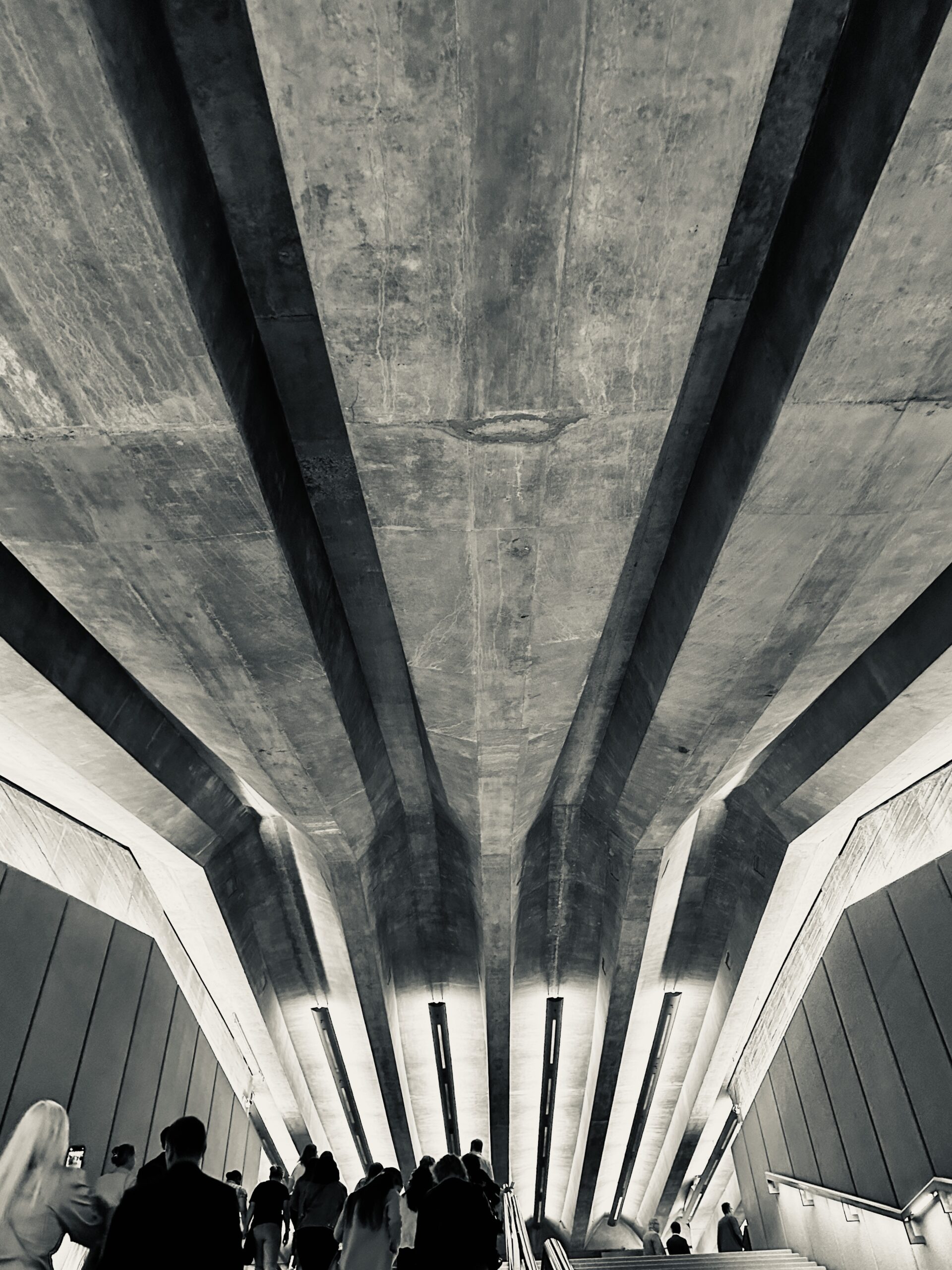
Some buildings change skylines. A very rare few change lives. There are certain buildings we admire. There are others that quietly alter the course of our lives. Mine stood almost twelve thousand miles away. At the time, I knew nothing about Australia. I had never travelled there. I had no ambition to emigrate, no relatives living there, and certainly no idea that one day I would call it home. In fact, when I first encountered the building that would shape so much of my future, I wasn't looking for architecture at all. I was listening to a voice. The story begins in Yorkshire in 1988. Like many people of my generation, I had become an enthusiastic reader of Barry Humphries and Clive James. Their humour was unmistakably Australian, yet it possessed an intelligence and warmth that felt universal. Both men were gifted observers of people, able to make the ordinary seem extraordinary through nothing more than careful observation and beautifully chosen words. I admired them enormously. When I discovered that Clive James was to appear on BBC Radio 4's Desert Island Discs, I made a point of listening. By the end of the programme I realised something rather curious. His voice had become so familiar that I could recognise it instantly. At the time it seemed an insignificant thing. Looking back now, I think it quietly changed my life. A few months later I returned home to visit my parents. Their house, like so many family homes, possessed a comforting familiarity that never really leaves you. As I walked through the front door, the television was already on. Australia was celebrating its Bicentenary. Before I even glanced at the screen, I recognised the voice. Clive James. I stopped. Turned towards the television. And saw something I couldn't quite understand. The screen was filled with enormous white curves. Not quite sculpture. Not quite architecture. The camera continued to pull back. Blue water slowly entered the frame. A ferry glided effortlessly across Sydney Harbour. Only then did the image reveal itself. The Sydney Opera House. I had never seen anything remotely like it. Looking back now, I don't think I fell in love with Australia that afternoon. I fell in love with possibility. It is extraordinary how a single image can quietly redirect the course of an ordinary life. Years later I travelled to Australia. I met Rachel. We married. Raised our family. Built Groth & Sons. Whenever I look back over those events, I can trace an unbroken thread to that afternoon in Yorkshire. Not because the Sydney Opera House caused any of them. Because it awakened my curiosity. Everything else simply followed. The older I have become, the more fascinated I have grown by the building itself. Jørn Utzon's original sketches captivated the world, but transforming those elegant drawings into reality demanded one of the greatest feats of engineering of the twentieth century. Every shell could be derived from the surface of a single imaginary sphere. Geometry became architecture. Reading about that discovery reminded me immediately of the medieval master masons whose cathedrals have fascinated me throughout my life. Different centuries. Different materials. Exactly the same spirit. There is another story about the Opera House that has always stayed with me. Long before the building officially opened, Paul Robeson climbed onto the construction scaffolding during the workers' lunch break and sang Ol' Man River. Before the applause. Before the history books. Before the tourists. The building belonged to its makers. Somehow, that feels exactly right. Over the years I have returned to the Sydney Opera House many times. Increasingly, I find myself wandering beneath the famous sails, discovering the concrete ribs, the changing light and the quieter architectural moments that reveal themselves only when you stop looking at the building and begin looking into it. In April 2023 I attended an evening with Richard E. Grant. Sitting quietly in the audience was Barry Humphries. After the performance he stood only a few metres away. I wanted to thank him for unknowingly changing the direction of my life, but decided not to intrude. Two weeks later he passed away. That small hesitation taught me something I have carried ever since. If admiration is genuine, don't keep it to yourself. Kind words have a habit of arriving exactly when they are needed.
People occasionally ask why I have spent so much of my life building residential libraries. Looking back now, I sometimes think libraries became my way of quietly bringing two worlds together. England gave me a love of architecture, literature and history. Australia gave me opportunity. Inside a library those two parts of my life somehow coexist.
Looking back across the years, I no longer think the Sydney Opera House changed my life because of its extraordinary architecture. It changed my life because it awakened my curiosity. It reminded me that there are places we have never seen. People we have never met. Lives we have never imagined living. All waiting beyond the horizon. The Sydney Opera House wasn't simply a building. It was an invitation. And without ever realising it... I accepted.
A Closing Thought