THE ARCHITECTURE OF CONVERSATION
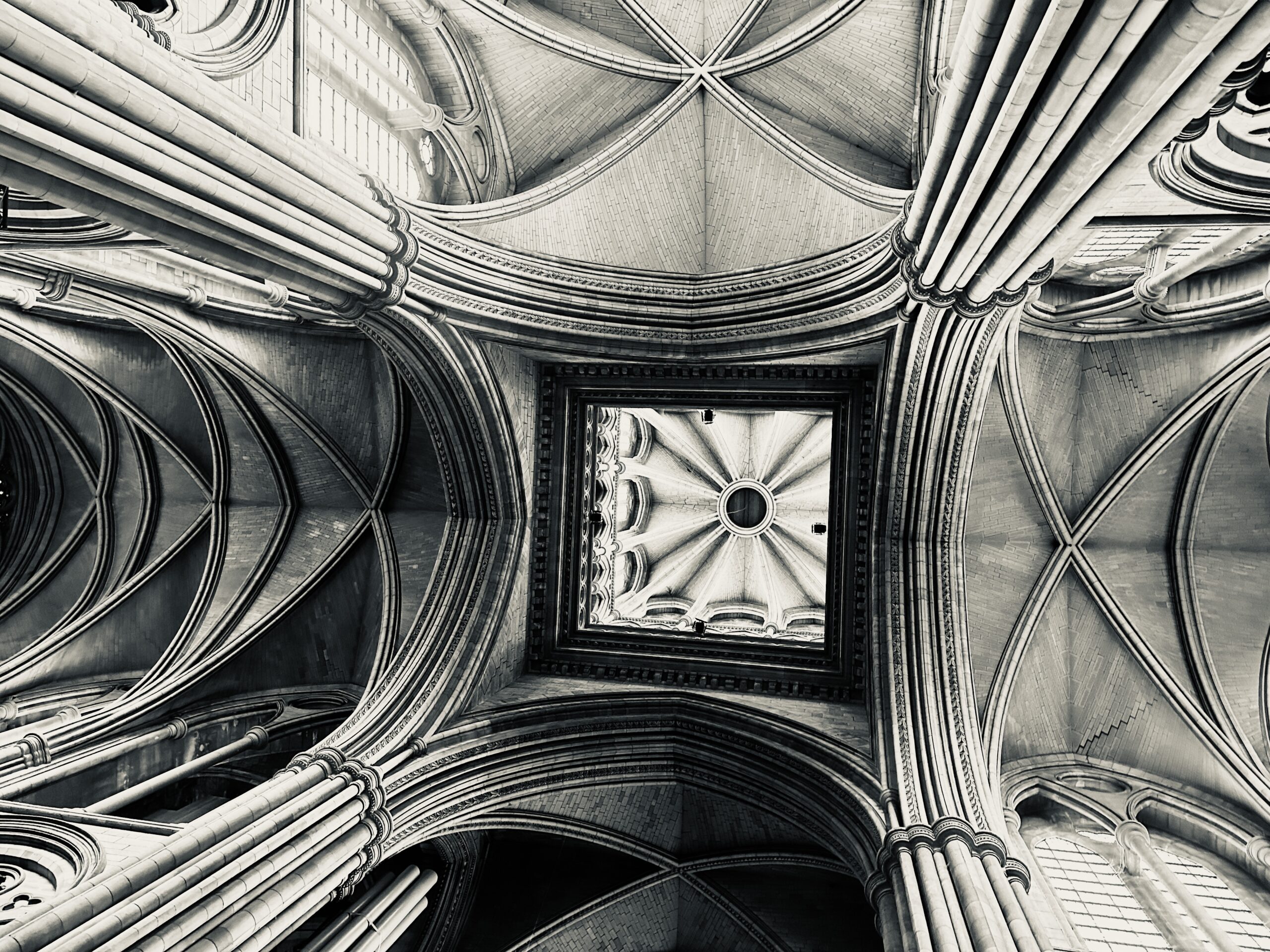
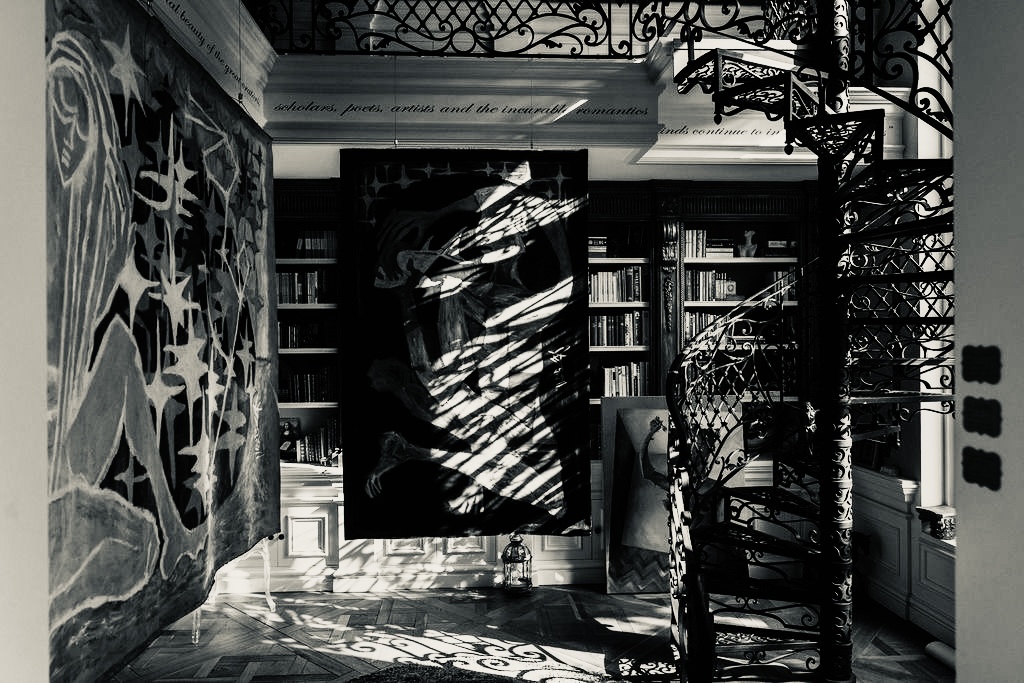
What is the architecture of conversation? The best rooms are never about the room. There are rooms we admire for their proportions, their materials or their craftsmanship. Then there are rooms we remember because something meaningful happened within them. Over the years I have come to realise that the finest architecture quietly steps aside. It provides the backdrop for conversation, reflection, laughter, music and ideas. It creates the conditions for life to unfold without ever demanding to be the centre of attention. I was reminded of this at a recent private art viewing held in one of the residential libraries Groth & Sons completed many years ago. The paintings were extraordinary, the guests engaging, and the conversation thoughtful. Yet what stayed with me most was my client's observation that the library had become the backdrop for everything that followed. That room was no longer simply a library. It had become a place where writers worked, friends gathered, ideas were exchanged and memories were quietly made. Architecture is often judged by what we see. Its greatest success, however, is measured by what it quietly makes possible. As designers, we can calculate proportions, specify materials and resolve every technical detail. What we cannot design is the conversation itself. We can only create the conditions in which it might happen. That, perhaps, is the true privilege of architecture. The room does not ask to be noticed. It simply encourages people to stay. Looking back across nearly fifty years in the craft, I have come to believe that the most successful rooms are rarely the loudest or the most extravagant. They possess a quiet confidence. They allow people, books, music, art and conversation to become the main event. The room has quietly stepped aside. Perhaps that is the true purpose of every well-designed room. Not to become the centre of attention, but to become the place where life is remembered.
A Closing Thought
The finest architecture is not remembered because of what it contains. It is remembered because of what it allows to happen.
Beyond the Drawing Board Reflections from Groth & Sons
More Beyond stories coming soon....