WHY EVERY CRAFTSMAN SHOULD STUDY CATHEDRALS
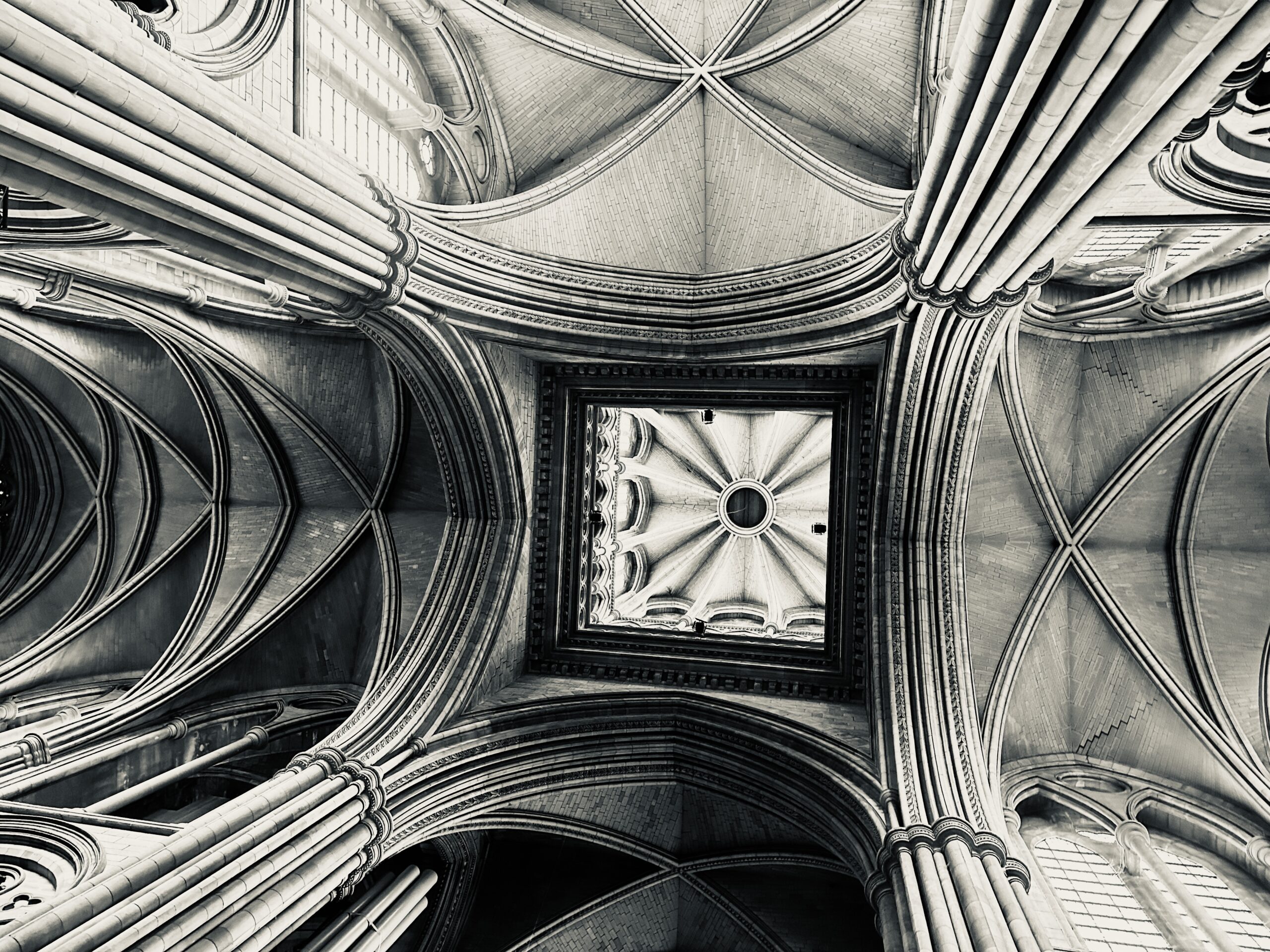
The greatest buildings were never really about stone. I have never built a cathedral. Nor am I likely to. I am not an architect. I am certainly not a medieval master mason. In truth, I am not even a man of religious faith. Yet some of the greatest lessons I have learned about design, craftsmanship and the purpose of work have come from studying Gothic cathedrals. One of the books that has profoundly influenced my thinking is Malcolm Hislop's How to Build a Cathedral. Rather than simply describing great buildings, it reveals the ingenuity, geometry and determination of the master builders who created them. It is a book I believe every young designer, architect or craftsperson should read. At first glance, a cathedral might seem an unlikely place for a cabinet maker to seek inspiration. But perhaps we've misunderstood what cathedrals really are. When most people think of Gothic architecture, they think of pointed arches, stained glass and flying buttresses. Beautiful things, certainly. But those are merely the visible parts. The real achievement lies beneath them. Gothic architecture was not simply a style. It was a revolution in thinking. Long before reinforced concrete, structural steel, electric cranes or engineering software, master masons used geometry, proportion and extraordinary practical knowledge to create buildings that continue to astonish us centuries later.
I have visited many cathedrals throughout Britain, York Minster, Salisbury Cathedral, St Paul's and Ripon among them. Although I am a Humanist rather than a man of religious faith, these buildings fill me with wonder. They remind me what human beings are capable of when imagination, discipline and craftsmanship come together. During a tower tour at Salisbury Cathedral I discovered that its foundations are astonishingly shallow, little more than 1.2 metres deep. I often found myself asking, 'How did they know this would stand?' The answer lay beneath the surface. The medieval builders understood the landscape well enough to trust it. They worked with it rather than against it. I remember leaving Salisbury not simply impressed by the architecture, but humbled by the intelligence of those who conceived it. The greatest achievements often depend upon foundations that nobody ever sees. The greatest lesson a cathedral teaches has nothing to do with stone. It teaches us that truly worthwhile work often takes longer than one lifetime. The master masons understood something we still strive for today. Buildings may begin with stone, timber or steel, but they endure because someone cared enough to pursue excellence long before anyone thought to measure efficiency. Whether we build a cathedral, a library, a family business or a life, the finest work is rarely completed within a single lifetime. It is begun with conviction, then entrusted to those who follow.
A Closing Thought
Perhaps the true measure of craftsmanship is not what we finish, but what we leave strong enough for others to continue.
Beyond the Drawing Board Reflections from Groth & Sons